
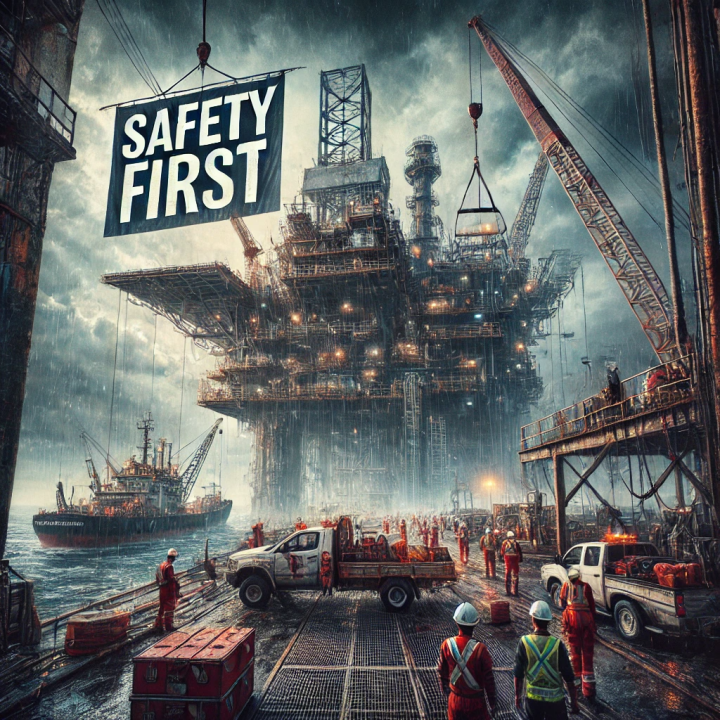
Crew management is one of the most critical aspects of successful ship operations. While modern vessels rely on advanced technologies, automation systems, and sophisticated navigation equipment, it is the crew that ultimately ensures the safe, efficient, and compliant operation of a vessel. Managing seafarers effectively requires careful planning, strong communication, regulatory compliance, and continuous support.
In today’s global shipping industry, shipowners and managers face numerous challenges in recruiting, retaining, and managing qualified maritime professionals. Crew shortages, complex regulations, crew welfare concerns, and increasing operational demands have made crew management more challenging than ever before.
Understanding these challenges and implementing effective solutions can help shipping companies improve operational performance, enhance crew satisfaction, and maintain compliance with international maritime standards.
The Growing Global Crew Shortage
One of the most significant challenges facing the maritime industry is the shortage of qualified seafarers. As global trade continues to expand, the demand for experienced officers and ratings has increased considerably. However, many shipping companies struggle to find skilled professionals who possess the required certifications, experience, and technical expertise.
Several factors contribute to this shortage, including an aging workforce, changing career preferences among younger generations, and the demanding nature of seafaring life.
How to Overcome It
Shipping companies can address crew shortages by investing in recruitment programs, maritime training initiatives, cadet development schemes, and partnerships with maritime academies. Building strong relationships with seafarers and offering attractive career development opportunities can also help attract and retain talent.
Crew Rotation and Scheduling Challenges
Managing crew rotations efficiently is essential for maintaining uninterrupted vessel operations. Unexpected delays, travel restrictions, visa issues, and operational disruptions can create significant challenges when planning crew changes.
Poorly managed crew rotations can lead to fatigue, reduced morale, and increased operational risks. Extended contracts may negatively affect crew well-being and performance, while delayed relief arrangements can create compliance concerns.
How to Overcome It
Effective workforce planning and advanced scheduling systems can help shipping companies manage crew rotations more efficiently. Maintaining a pool of qualified replacement personnel and coordinating travel arrangements well in advance can minimize disruptions and ensure smooth crew transitions.
Compliance with International Regulations
The maritime industry is governed by numerous international conventions and regulations, including the STCW Convention, Maritime Labour Convention (MLC), SOLAS, MARPOL, and ISM Code. Ensuring compliance with these requirements is a continuous challenge for crew management teams.
Crew certifications, training records, medical examinations, and employment documentation must remain valid and up to date at all times. Failure to comply with regulatory requirements can result in vessel detentions, penalties, and reputational damage.
How to Overcome It
Shipping companies should implement robust documentation management systems that track certification expiry dates, training requirements, and compliance obligations. Regular audits and compliance reviews help ensure that all crew members meet regulatory standards before deployment.
Crew Welfare and Mental Health Concerns
Seafarers often spend months away from their families while working in physically demanding and isolated environments. Long working hours, limited social interaction, and stressful operational conditions can significantly affect mental health and overall well-being.
The maritime industry has increasingly recognized that crew welfare directly impacts safety, productivity, and retention. Fatigue, stress, and mental health challenges can contribute to human error and increase the risk of accidents onboard.
How to Overcome It
Companies should prioritize crew welfare through comprehensive support programs. Providing internet access, communication facilities, mental health resources, recreational activities, and family support services can help improve morale and reduce stress. Encouraging open communication and fostering a supportive onboard culture are equally important.
Training and Competency Development
As vessels become more technologically advanced, crew members must continuously update their skills and knowledge. New regulations, digital systems, environmental requirements, and operational procedures require ongoing training and professional development.
However, ensuring consistent training across a multinational workforce can be challenging, particularly when crews operate on different schedules and routes.
How to Overcome It
Regular training programs, simulator exercises, onboard drills, and e-learning platforms can help maintain crew competency. Investing in professional development not only improves operational performance but also increases job satisfaction and career progression opportunities for seafarers.
Communication Barriers in Multinational Crews
Modern ships often operate with multinational crews consisting of individuals from different cultural, linguistic, and professional backgrounds. While diversity offers many advantages, communication barriers can sometimes create misunderstandings and operational challenges.
Miscommunication during critical operations can affect safety, efficiency, and teamwork onboard.
How to Overcome It
Establishing clear communication procedures and promoting the use of standardized maritime terminology can help reduce misunderstandings. Cross-cultural awareness training and team-building activities can also improve cooperation and strengthen relationships among crew members.
Managing Crew Performance
Evaluating and maintaining high performance levels among crew members is another important challenge. Shipowners need assurance that crew members are fulfilling their responsibilities effectively and contributing positively to vessel operations.
Without proper performance monitoring, it can be difficult to identify skill gaps, training needs, or areas requiring improvement.
How to Overcome It
Regular performance evaluations, competency assessments, and feedback systems provide valuable insights into crew effectiveness. Clear performance expectations and structured development plans help create a culture of accountability and continuous improvement.
Crew Retention and Employee Satisfaction
Retaining experienced seafarers has become increasingly difficult in a competitive labor market. High turnover rates can increase recruitment costs, disrupt vessel operations, and reduce organizational knowledge.
Seafarers often seek employers that provide competitive compensation, career development opportunities, job security, and strong welfare support.
How to Overcome It
Shipping companies should focus on creating positive employment experiences. Competitive salaries, transparent promotion pathways, recognition programs, and investment in crew welfare can significantly improve retention rates and employee loyalty.
The Role of Technology in Modern Crew Management
Digital transformation is changing the way crew management is conducted. Modern software solutions help streamline recruitment, scheduling, certification tracking, payroll administration, and performance monitoring.
Technology allows crew managers to make more informed decisions while reducing administrative workload and improving operational efficiency.
How to Overcome Traditional Challenges
By adopting integrated crew management systems, companies can automate routine tasks, improve compliance monitoring, and enhance communication between shore-based teams and vessels. Digital solutions provide greater visibility and control over crew operations.
Conclusion
Crew management remains one of the most complex and essential functions within the maritime industry. From recruitment and regulatory compliance to crew welfare and performance management, shipping companies face numerous challenges that require proactive planning and professional expertise.
Organizations that invest in effective crew management strategies are better positioned to improve safety, maintain compliance, enhance operational efficiency, and retain skilled maritime professionals. By addressing challenges through training, technology, workforce planning, and crew welfare initiatives, shipowners can build stronger, more resilient teams capable of supporting long-term success in the global shipping industry.
As the maritime sector continues to evolve, professional crew management will remain a key factor in ensuring safe, efficient, and sustainable vessel operations worldwide.