
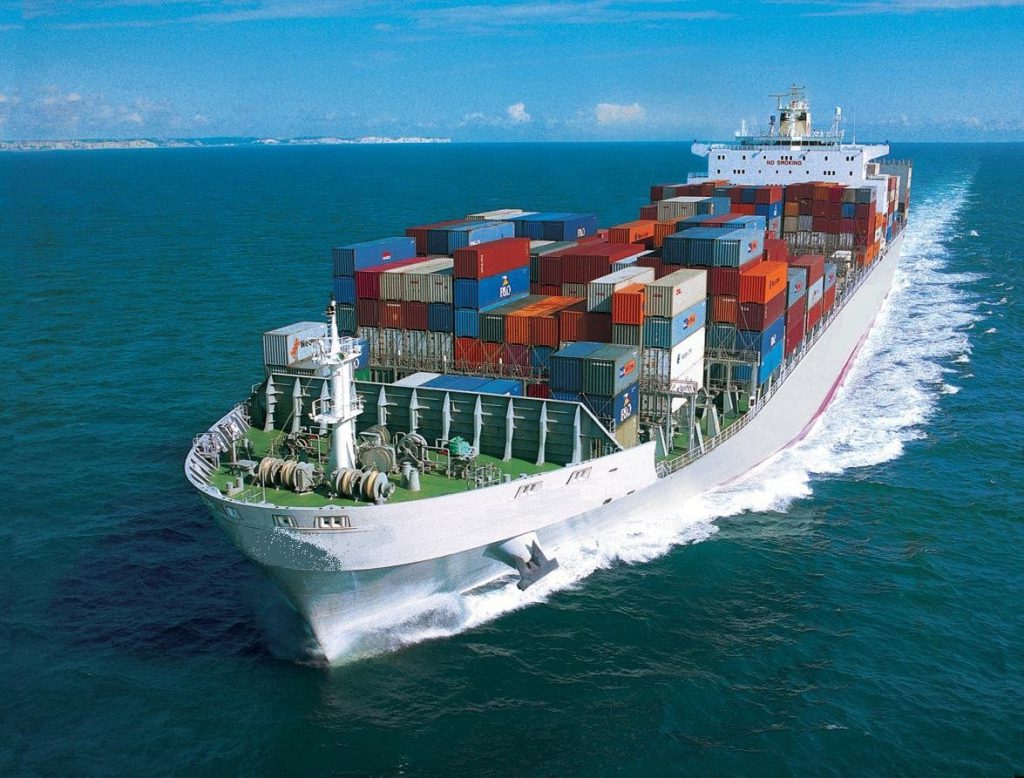
The purchase or sale of a vessel is one of the most significant financial decisions in the maritime industry. Whether it is a bulk carrier, tanker, container ship, offshore support vessel, or general cargo ship, every transaction involves substantial investments, technical evaluations, legal considerations, and market analysis.
A successful vessel sale and purchase transaction requires more than simply finding a buyer or seller. Shipowners, investors, and maritime companies must carefully assess multiple factors to ensure the transaction is commercially beneficial and free from unnecessary risks.
From vessel condition and market value to regulatory compliance and documentation, every detail plays a crucial role in determining the success of the deal. Understanding these key factors can help buyers make informed investment decisions and enable sellers to maximize the value of their assets.
Understanding the Vessel Market
Before entering any ship sale or purchase transaction, it is essential to understand the current market conditions. The maritime market is highly dynamic and influenced by factors such as global trade demand, freight rates, fuel prices, geopolitical developments, and economic conditions.
A vessel’s value can fluctuate significantly depending on market trends. During periods of strong freight demand, vessel prices often increase, while economic downturns may reduce asset values.
Market research should include:
- Current vessel demand and supply
- Freight market performance
- Shipbuilding activity
- Scrapping trends
- Global economic outlook
- Regional trade developments
Understanding market conditions helps buyers and sellers determine the right timing for a transaction.
Vessel Valuation and Pricing
One of the most important aspects of a sale and purchase transaction is determining the fair market value of the vessel.
A professional valuation considers several factors, including:
- Vessel age
- Type and size
- Cargo carrying capacity
- Technical condition
- Maintenance history
- Classification status
- Current market demand
Overpricing may discourage potential buyers, while undervaluation can result in financial losses for the seller.
Independent valuation experts and shipbrokers often provide market assessments to ensure accurate pricing.
Technical Condition Assessment
The technical condition of a vessel significantly influences its market value and future operating costs. Buyers should conduct a comprehensive inspection before finalizing any transaction.
Areas that require detailed evaluation include:
Hull Structure
The condition of the hull affects vessel safety, performance, and maintenance costs. Inspectors assess corrosion levels, steel thickness, structural integrity, and previous repair records.
Machinery and Engine Systems
Main engines, auxiliary machinery, pumps, generators, and propulsion systems should be carefully examined to determine their operational condition and remaining service life.
Navigation and Communication Equipment
Modern navigation systems and communication equipment must comply with international regulations and operational requirements.
Safety Equipment
Lifeboats, firefighting systems, emergency equipment, and safety management systems should be inspected to ensure compliance and functionality.
A professional technical inspection helps buyers identify potential risks and estimate future maintenance expenses.
Importance of Vessel Surveys
Independent vessel surveys are essential during the buying process. Surveys provide an objective assessment of the vessel’s physical and operational condition.
Common surveys include:
- Pre-purchase condition surveys
- Hull and machinery inspections
- Cargo hold inspections
- Safety equipment assessments
- Underwater inspections
- Class status reviews
Survey findings can significantly influence purchase negotiations and final pricing decisions.
Regulatory Compliance and Certifications
A vessel must comply with various international regulations before it can operate commercially.
Buyers should verify:
- Classification certificates
- Flag state documentation
- Safety certificates
- MARPOL compliance records
- ISM Code certification
- ISPS Code compliance
- Maritime Labour Convention (MLC) documentation
Expired or missing certificates can lead to costly corrective actions and operational delays after purchase.
Reviewing Maintenance History
A vessel’s maintenance records provide valuable insights into its operational reliability and overall condition.
Important records to review include:
- Dry docking history
- Planned maintenance records
- Machinery repair logs
- Inspection reports
- Class recommendations
- Accident and incident records
Well-maintained vessels typically offer lower operating risks and reduced maintenance costs.
Legal Due Diligence
Legal verification is another critical component of the sale and purchase process.
Buyers should confirm:
- Ownership status
- Registration documents
- Existing mortgages or liens
- Outstanding legal disputes
- Insurance records
- Charter commitments
Failure to conduct proper legal due diligence can expose buyers to significant financial and legal risks.
Environmental and Sustainability Considerations
Environmental regulations continue to evolve across the maritime industry. Buyers should evaluate whether the vessel complies with current and upcoming environmental standards.
Key considerations include:
- Fuel efficiency
- Emission control systems
- Ballast water treatment systems
- Energy efficiency ratings
- Environmental compliance history
Environmentally compliant vessels are more attractive to charterers and may offer long-term operational advantages.
Financial Planning and Cost Analysis
The purchase price is only one component of vessel ownership. Buyers must also consider ongoing operational expenses.
These include:
- Crew costs
- Fuel consumption
- Maintenance expenses
- Insurance premiums
- Port charges
- Regulatory compliance costs
A detailed financial analysis helps determine the true cost of ownership and expected return on investment.
Negotiation and Contract Management
Successful transactions depend on effective negotiation and properly structured contracts.
Key elements include:
- Purchase price negotiations
- Delivery terms
- Inspection rights
- Deposit arrangements
- Warranty provisions
- Risk allocation
- Documentation requirements
Working with experienced shipbrokers and maritime legal advisors can help ensure a smooth transaction process.
The Role of Professional Sale & Purchase Services
Professional maritime consultants, surveyors, and brokers provide valuable support throughout the sale and purchase process.
Their services may include:
- Vessel sourcing
- Market analysis
- Technical inspections
- Due diligence reviews
- Contract negotiation support
- Documentation management
- Delivery coordination
Expert guidance helps reduce risk and improves transaction efficiency.
Conclusion
Buying or selling a vessel is a complex process that requires careful planning, technical evaluation, financial analysis, and legal verification. Every decision made during the transaction can have significant long-term operational and financial implications.
By understanding market conditions, conducting thorough inspections, reviewing documentation, and seeking professional guidance, buyers and sellers can make informed decisions and achieve successful outcomes.
In today’s competitive maritime industry, a well-managed vessel sale and purchase process is essential for protecting investments, minimizing risks, and maximizing commercial opportunities. Whether expanding a fleet or disposing of an existing asset, careful attention to these key factors will help ensure a smooth and profitable transaction.